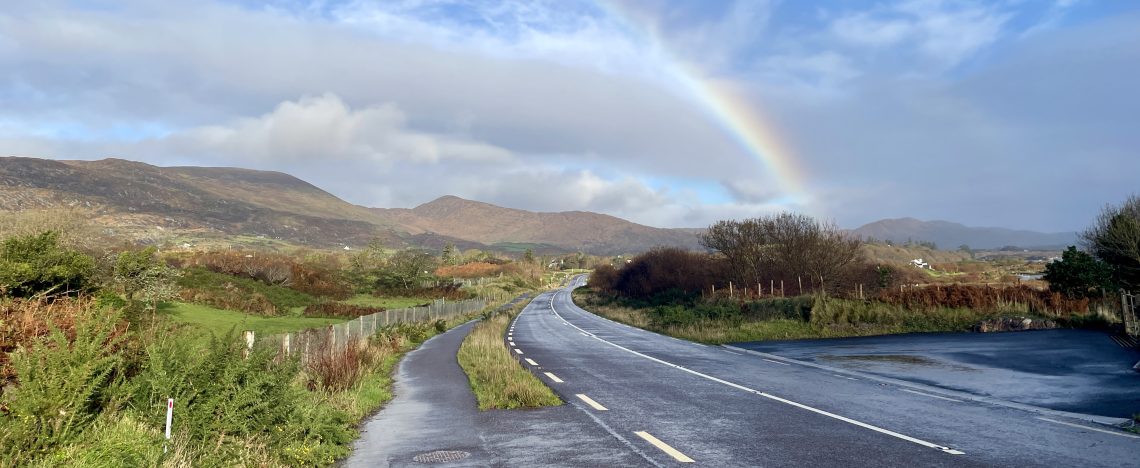
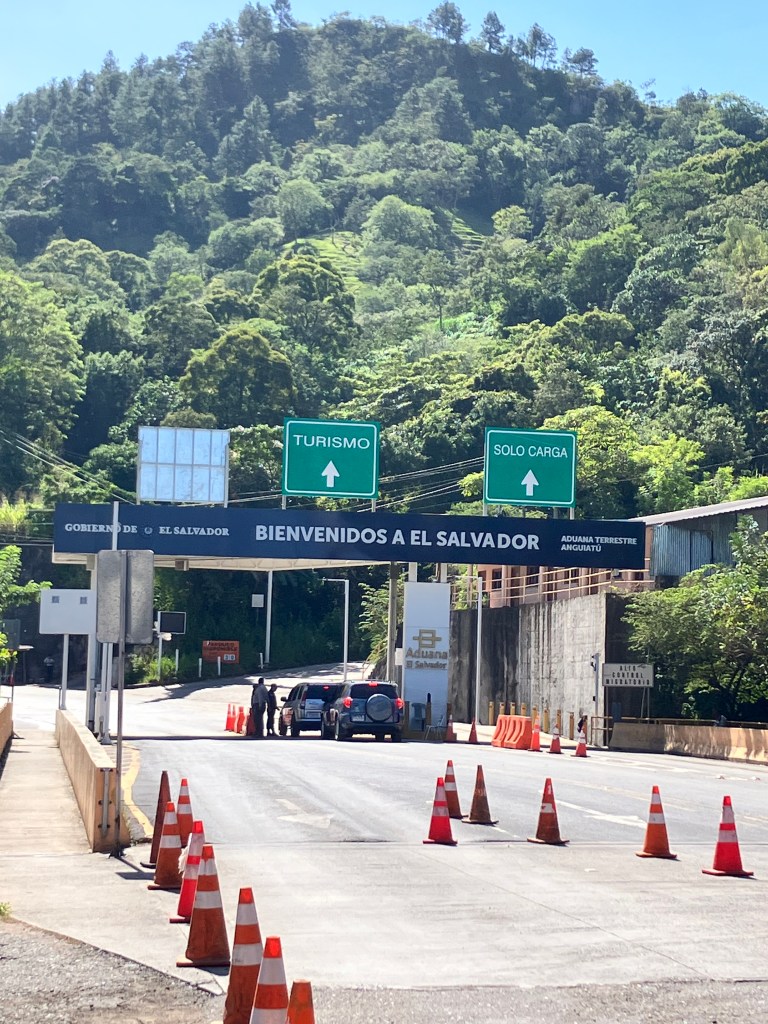
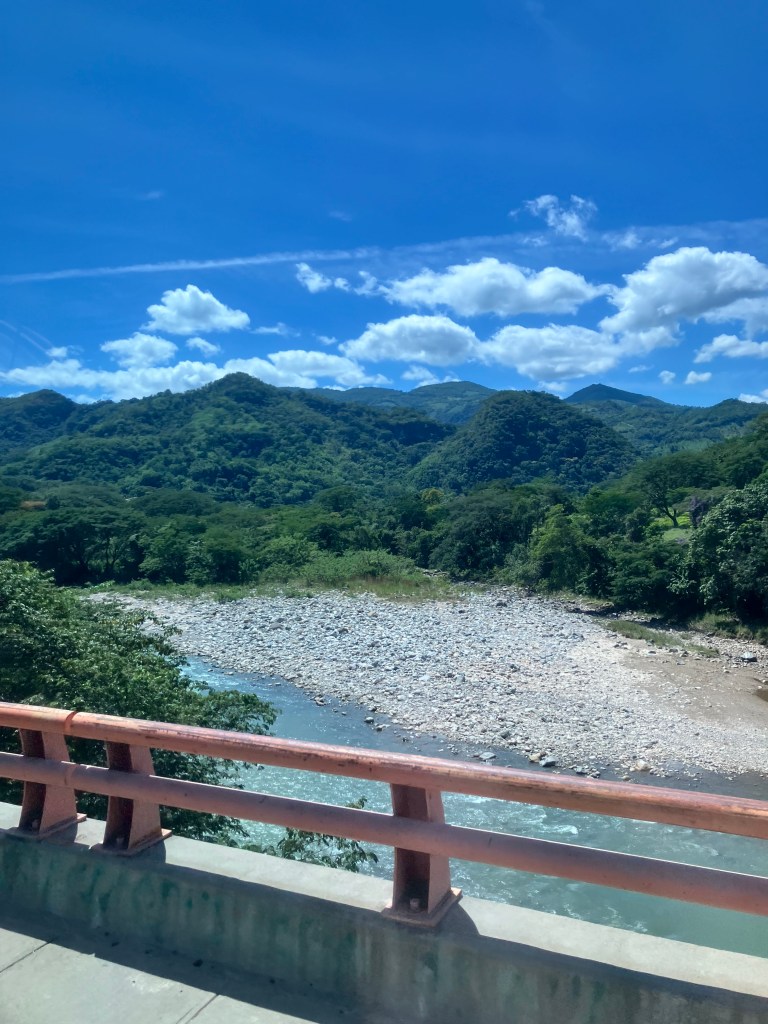
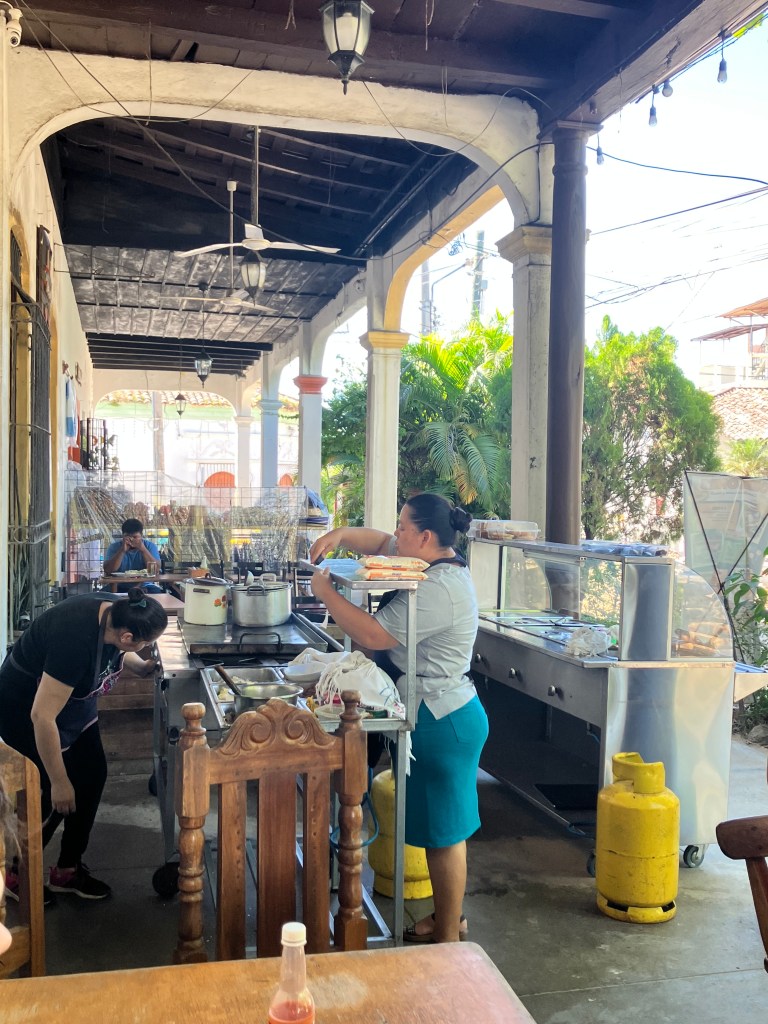
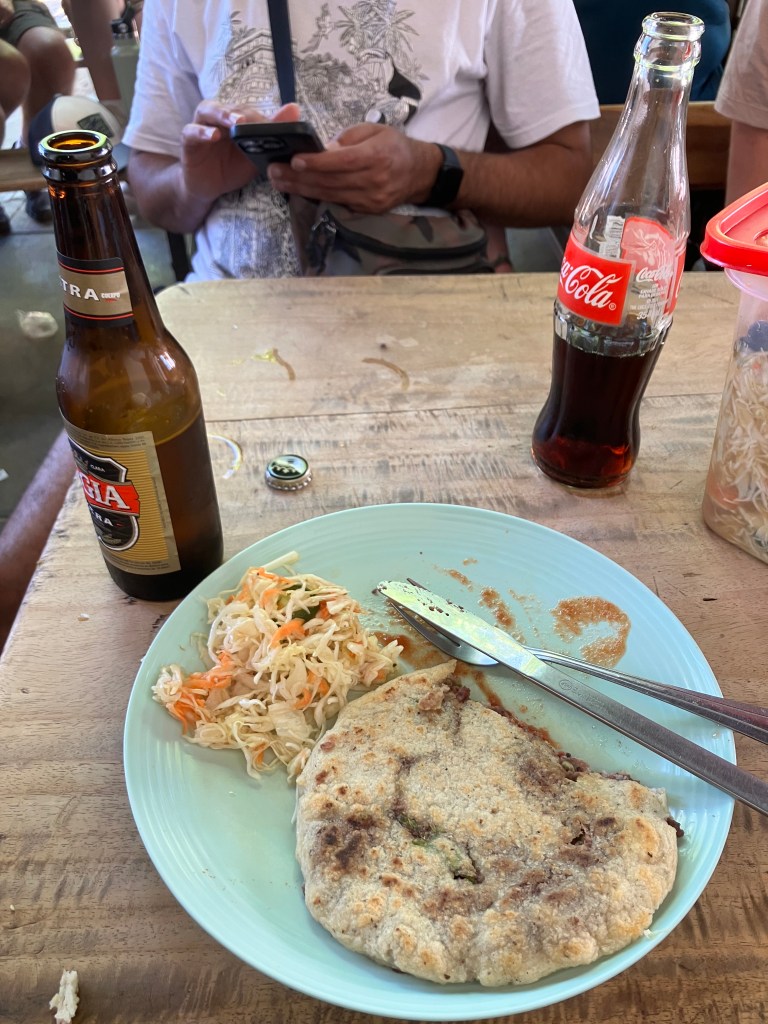
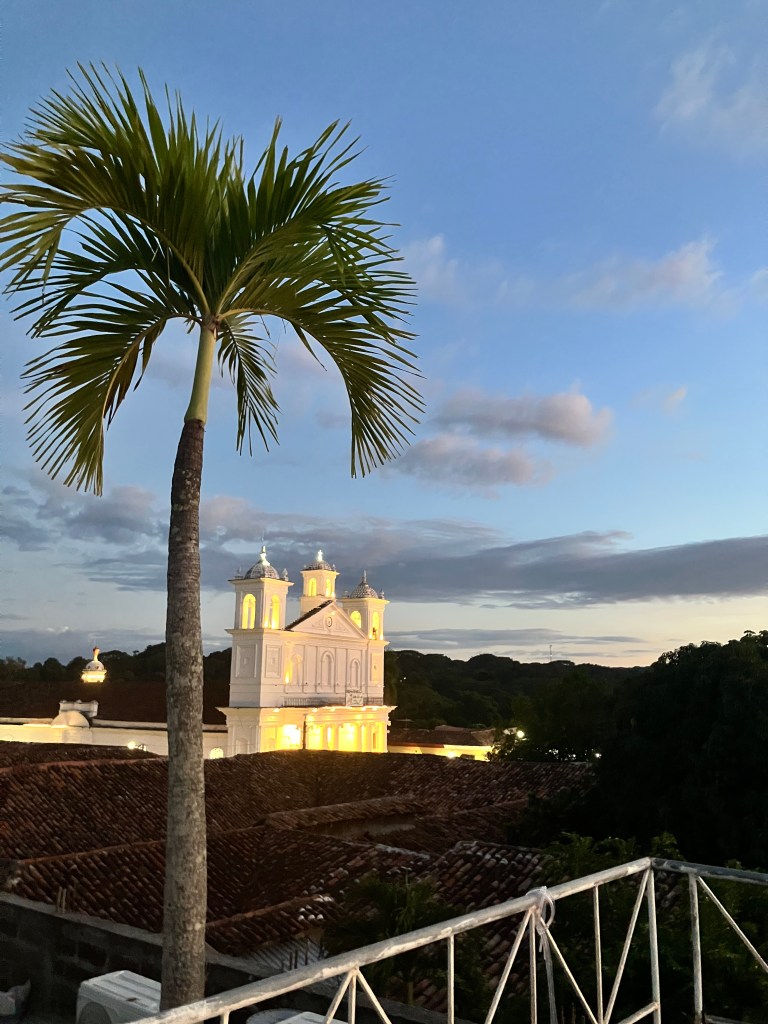
We discover that in El Salvador the local currency is the US dollar, but that we still cannot drink the water from the tap. Since we began the tour, thoughts of being caught anywhere without drinkable water has me buying two liters for each backpack pocket. Brushing teeth can take a third of a liter, and then there’s the water I need over night, the water just in case, and it has me wondering about the shower water (if you can’t drink it, why flood it into your pores?) But you can only do so much. So, all of us sufficiently backed up with water, we drive through El Salvador and into Suchitoto, another cobble street colonial town whose landmark is the large white Santa Lucia Church on the main square. We find our rooms at the hotel and then walk to our lunch venue, a local hole in the wall place. The cook is outside at her grill, frying the local El Salvadoran Papusa, a corn and rice tortilla pocket filled with refried beans, cheese and pork.
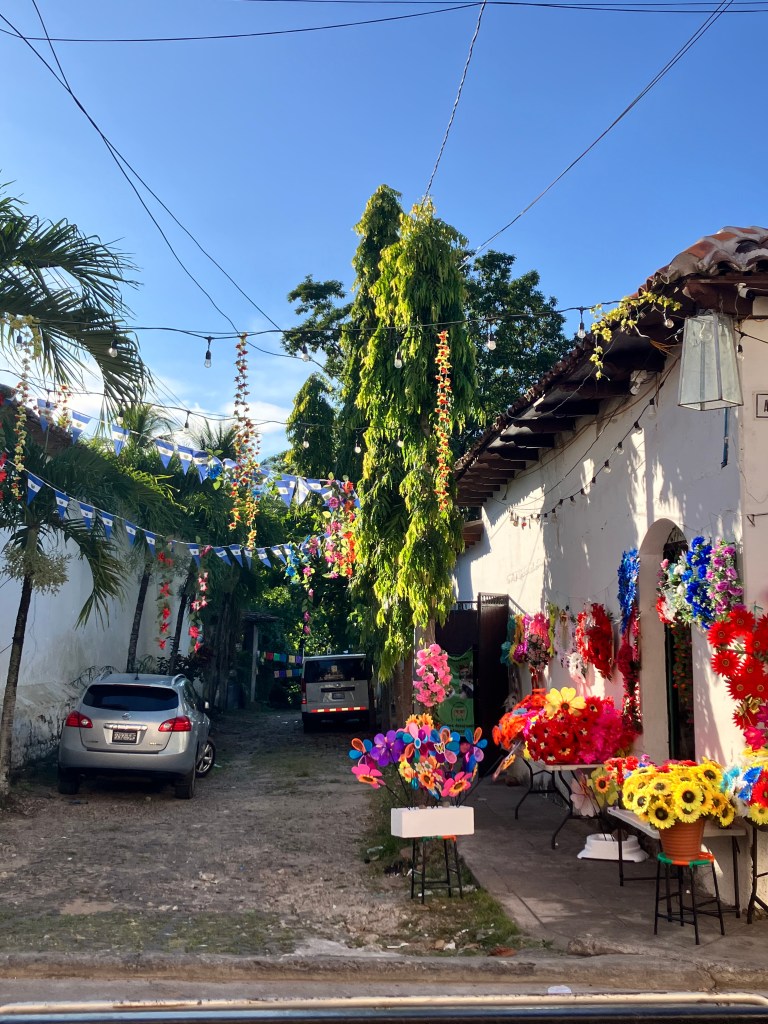
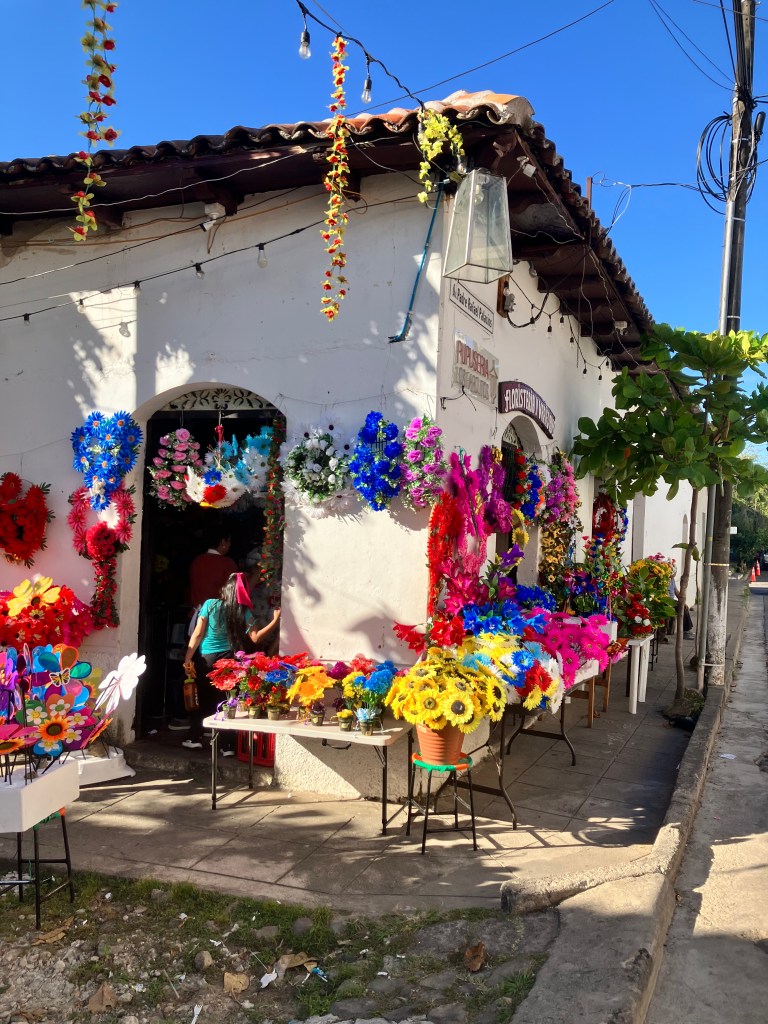
The main square was undergoing renovation at the time, and so a true depiction of its aesthetics was marginalized by construction equipment, pedestrian barriers, the ubiquitous dust, and jackhammers cutting through conversation. Regrettably, this seemed to be the month for main square construction in the city stops down the road in Granada and Leon as well. But glad to be out of the van, we enjoy our Papusas and a bottle of local Pilsener and then walk through the town. Suchitoto, a small village in the center of the country, is currently celebrating their Day of the Dead, and the roadway vendors, the shops around the square, and the cemeteries further afield all burst with vibrantly colored and flowered wreaths and arrangements for purchase and placement on ancestral graves. Suchitoto also proudly boasts their heritage of indigo dye. When I will think back to this small town in the middle of El Salvador, I will remember the dark blue in fabrics and clothing and the red in the wreaths hung out and across store front doors and windows. Besides its contribution of indigo to the world of color, Suchitoto neighbors the village Cinquera, a historically important place by the role its people played in the 12 year civil war. Accordingly, two activities waited for our choice the next day: a walking tour to a waterfall and an indigo dying workshop or a hiking tour into the mountains of the former guerilla stronghold.
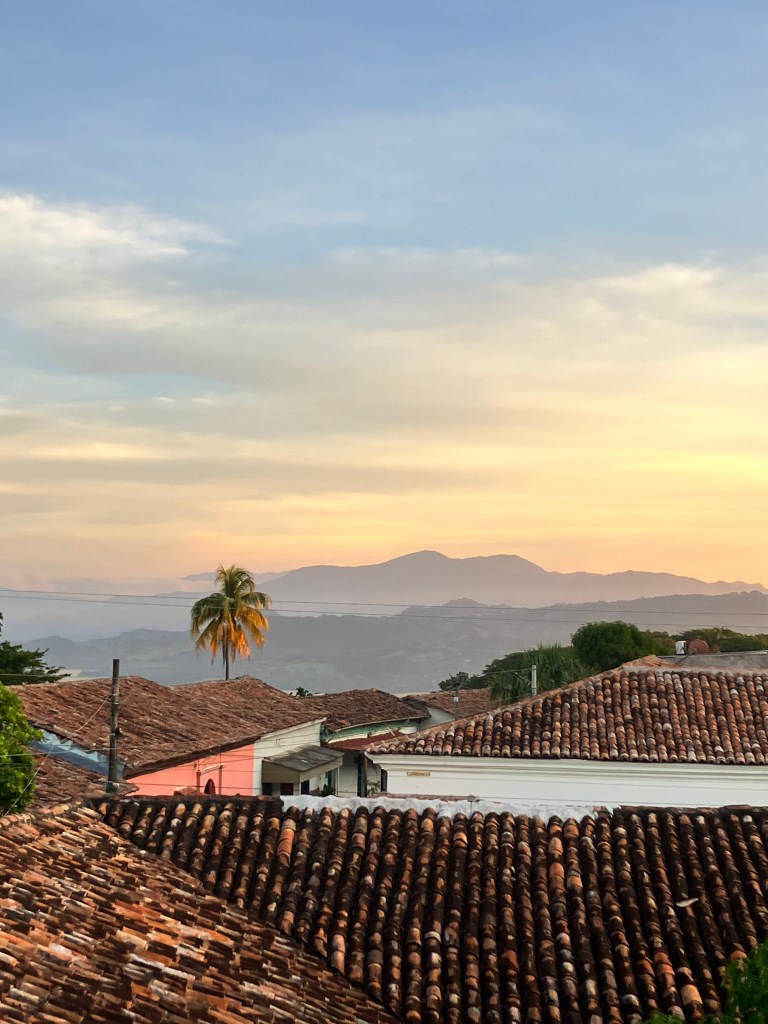
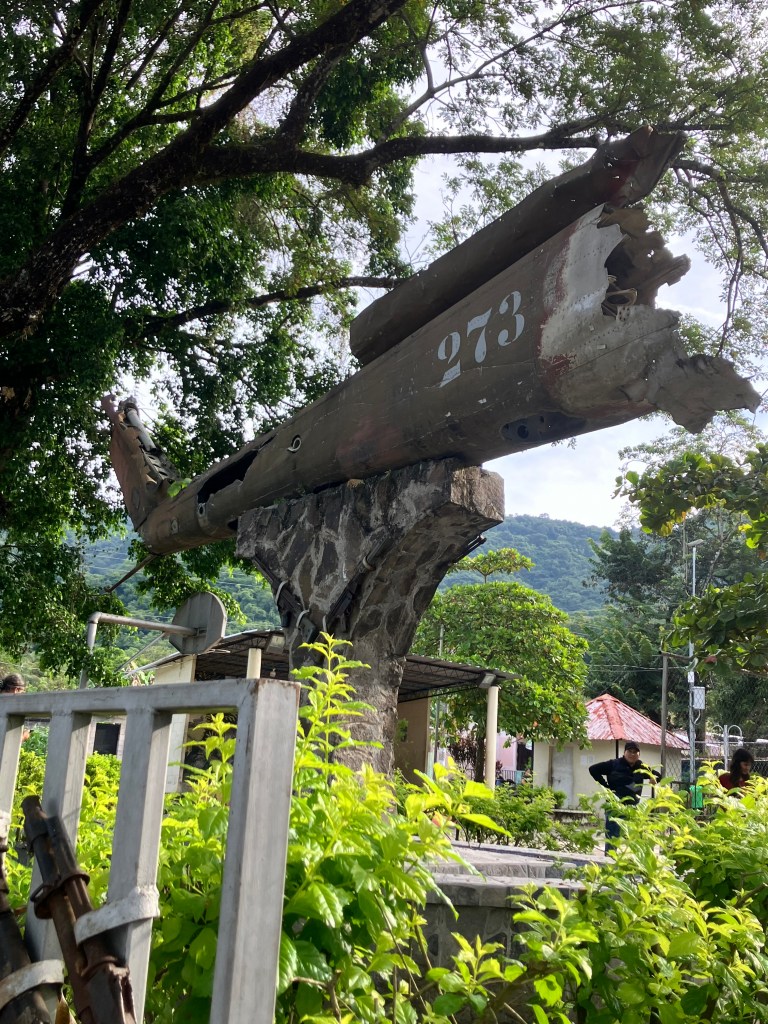
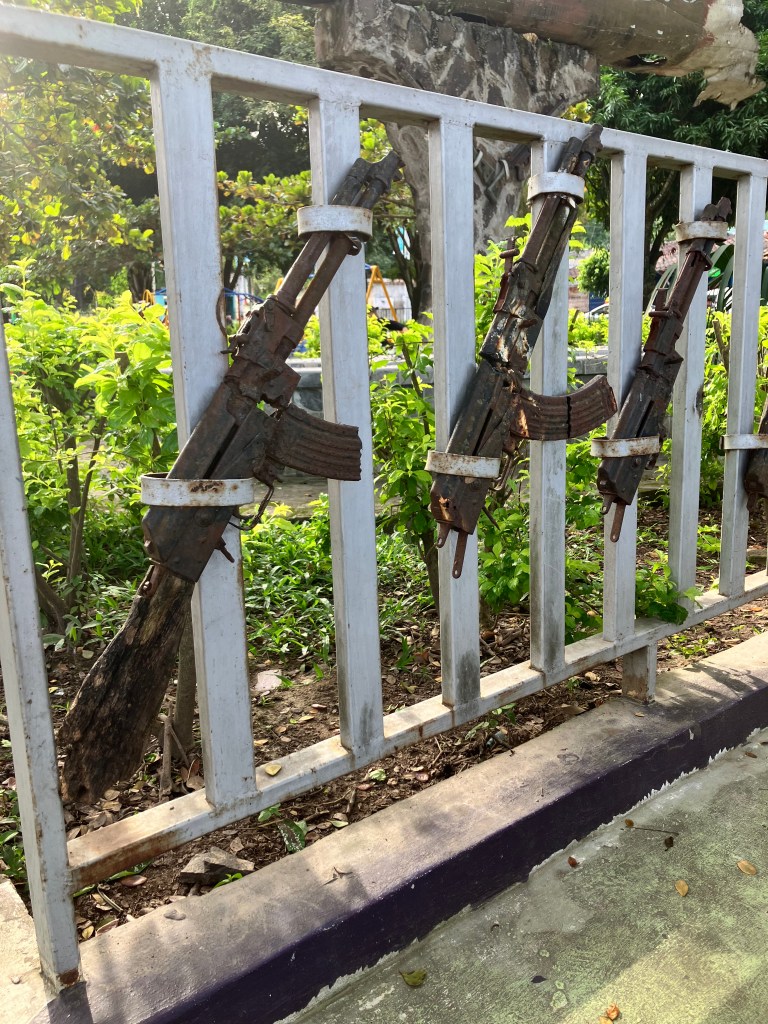
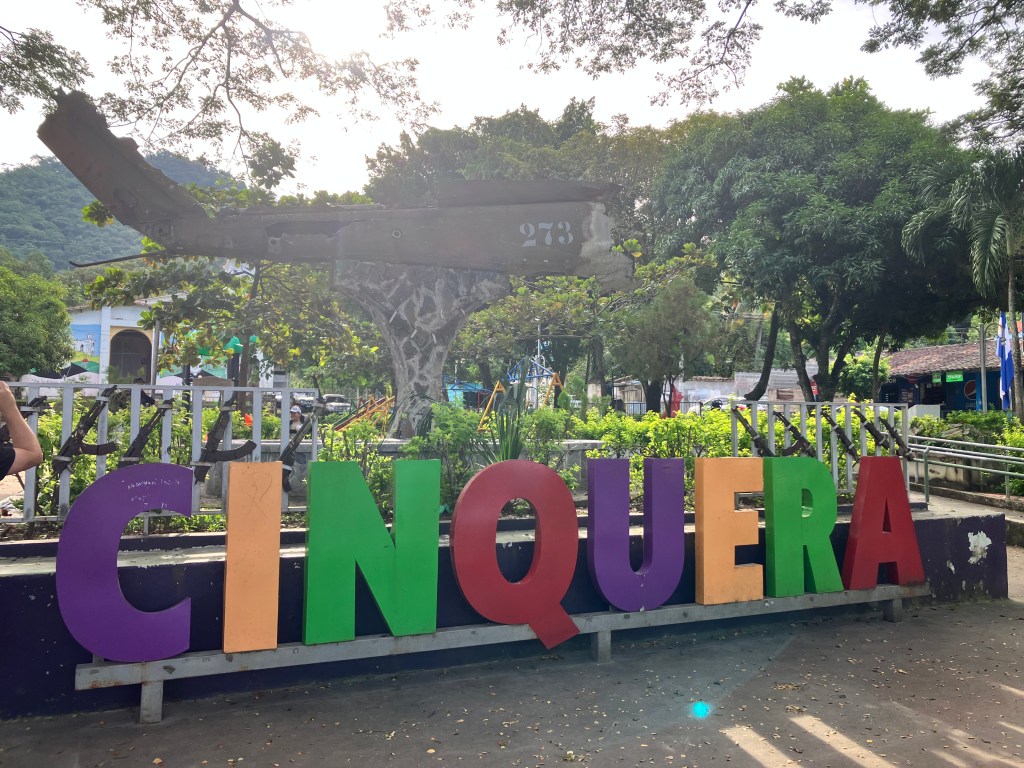
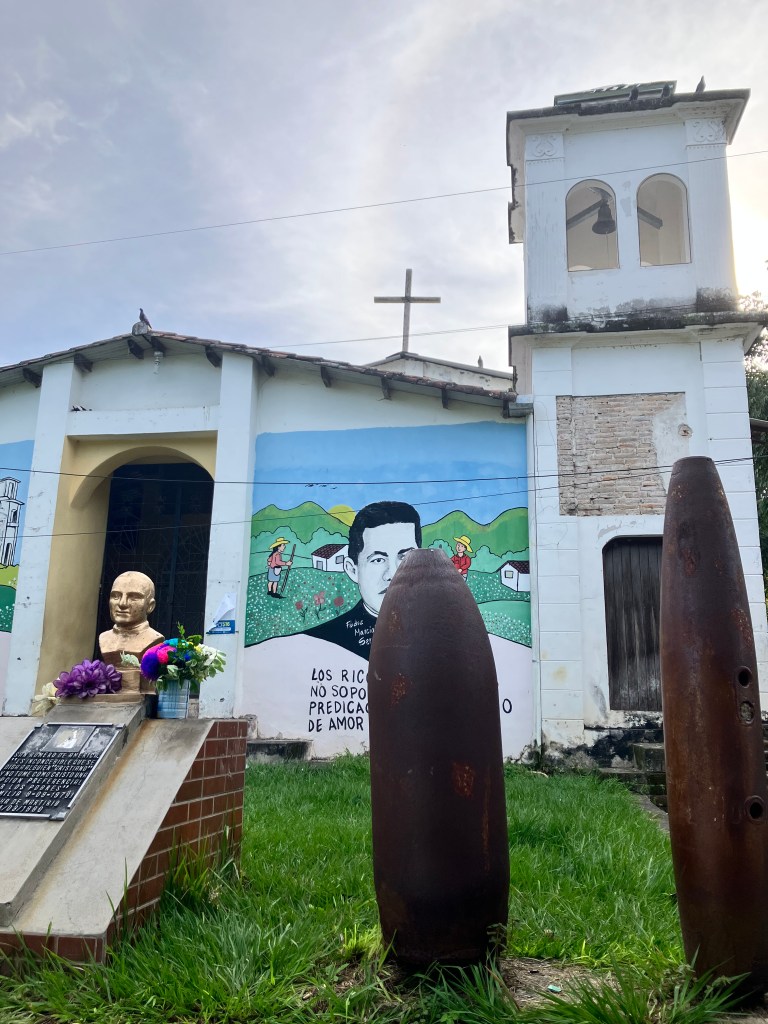
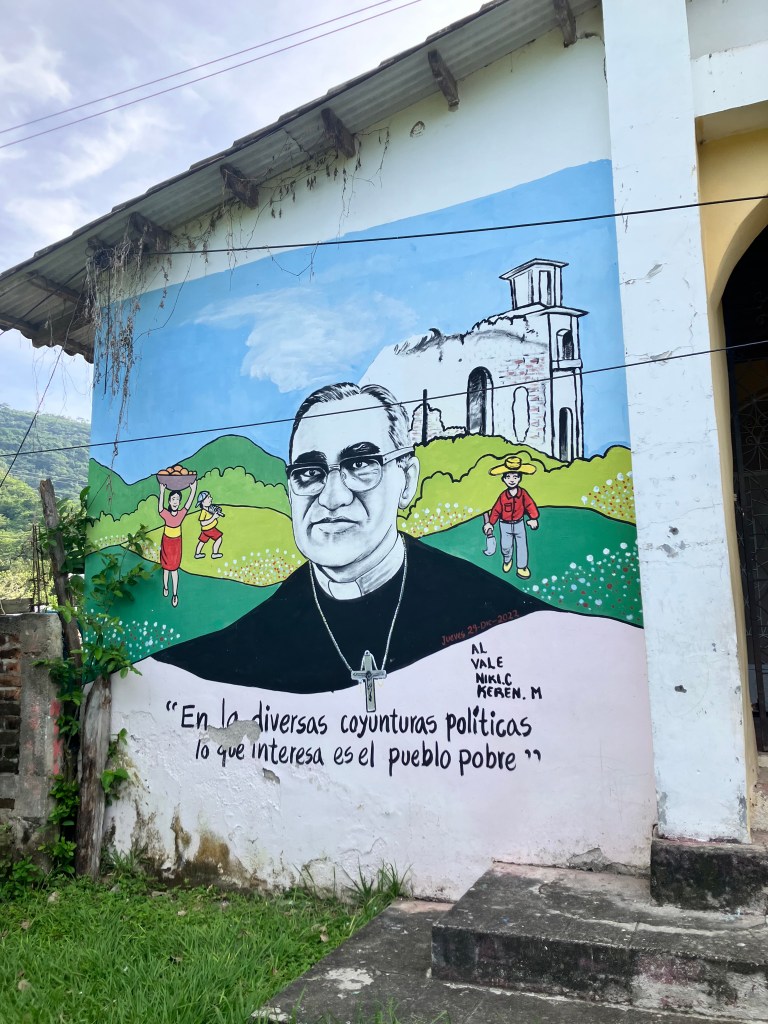
I chose the history tour, but I learned something about indigo as well, as El Salvador’s history all started with it. Indigo had been grown and harvested by the indigenous Pipil long before the Spanish arrived in the 1500s. It was the primary product exported by the indigenous from El Salvador from the 16th to the 19th century until synthetic dyes in Europe were introduced as a cheaper and quicker alternative. Although the indigo industry in El Salvador dried up, the climate kept conditions moist for the coffee bean, and by then, it was in global demand. The government got involved, and gave all of El Salvador, all its land and what it could cultivate and produce to just 14 wealthy families. Over time, the indigenous peasants who worked the fields realized they were short changed. They spoke up for equity in better working and living conditions, bringing awareness to the line between greed and need. Ironic that we’re still working on this idea in most countries. From 1980 until 1992, the peasants stood their ground. They organized. They sought solidarity and support from abroad and got it. They built a coalition and they became a voice that to the government looked too much like socialism. The US took notice and the situation reminded them too much of communism. So they got involved, siding with the El Salvador government. Priests were executed. Activists disappeared. The peasants fled into the hills and mountains they already knew very well, which were quickly filling in with thick jungle cover due to the striking farmers who were no longer tilling the fields. For the next 12 years, they lived in the forests, creating a sustainable network for shelter, hunting, cooking, and plant medicine all to support the guerilla fighters on the front lines. A simple demand by the peasants who worked the land of the rich resulted in violence, torture, executions and genocide. It takes this and years before peace talks can begin. The pattern sounds familiar to this very day, and we’re still working on this, too. The small town of Cinquera, a site of a government initiated massacre that resulted in the forming of a rebel guerrilla army that began a 12 year civil war, is today remembered as a symbol for the indigenous and native El Salvadoran resilience and commitment to their country.
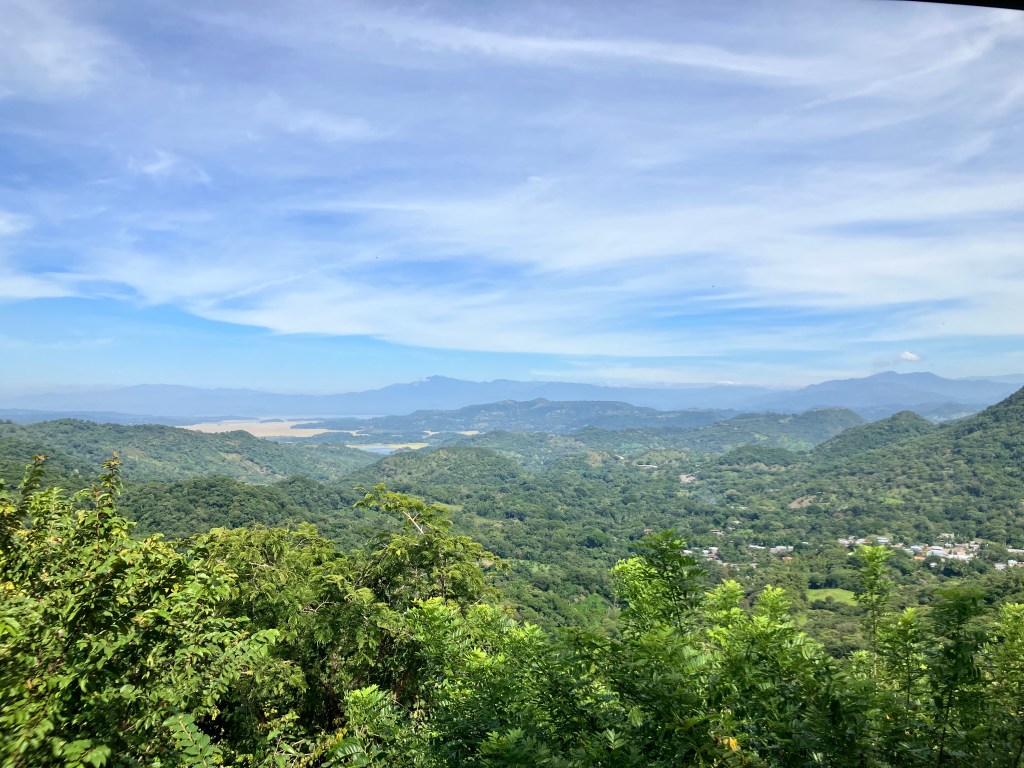
But what better way to rid yourself of past misery than a rest day at the beach, and not just at a beach, but a gated resort on a beach that could make you feel a little guilty now you know the history of the place. It’s kind of like the government’s unabashed admission that things have not changed at all; a war ended 25 years ago, but wealth disparity never did. We leave Suchitoto and the indigo summer dresses and the hungry dogs to the next tour group and drive to the coast.
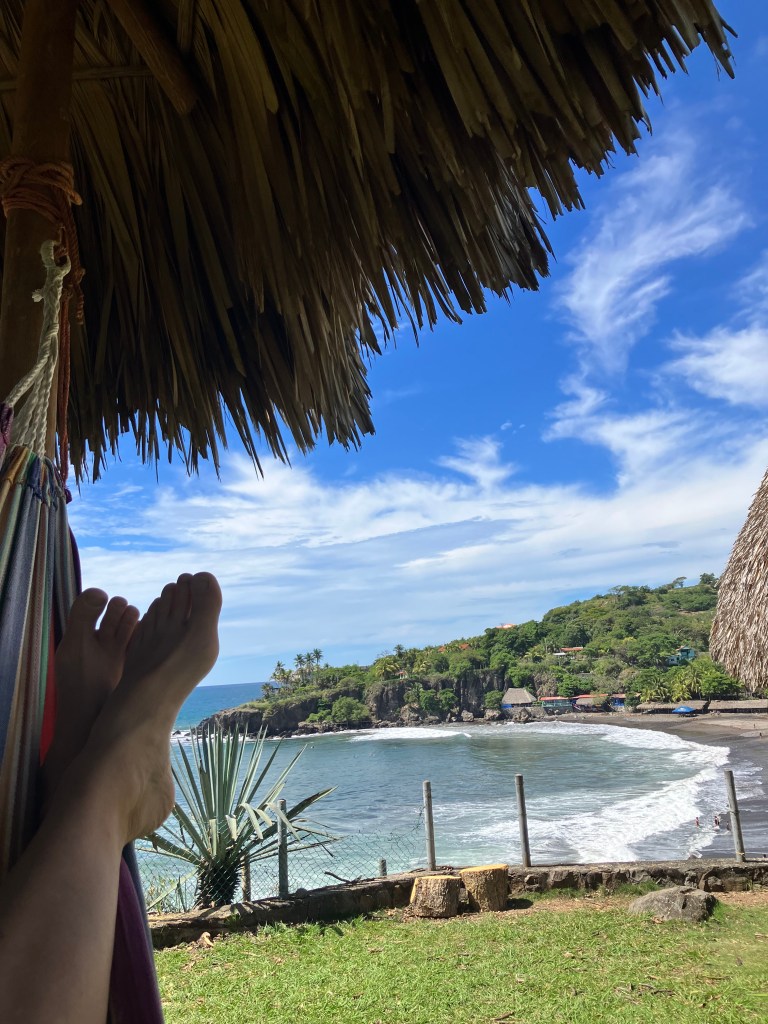
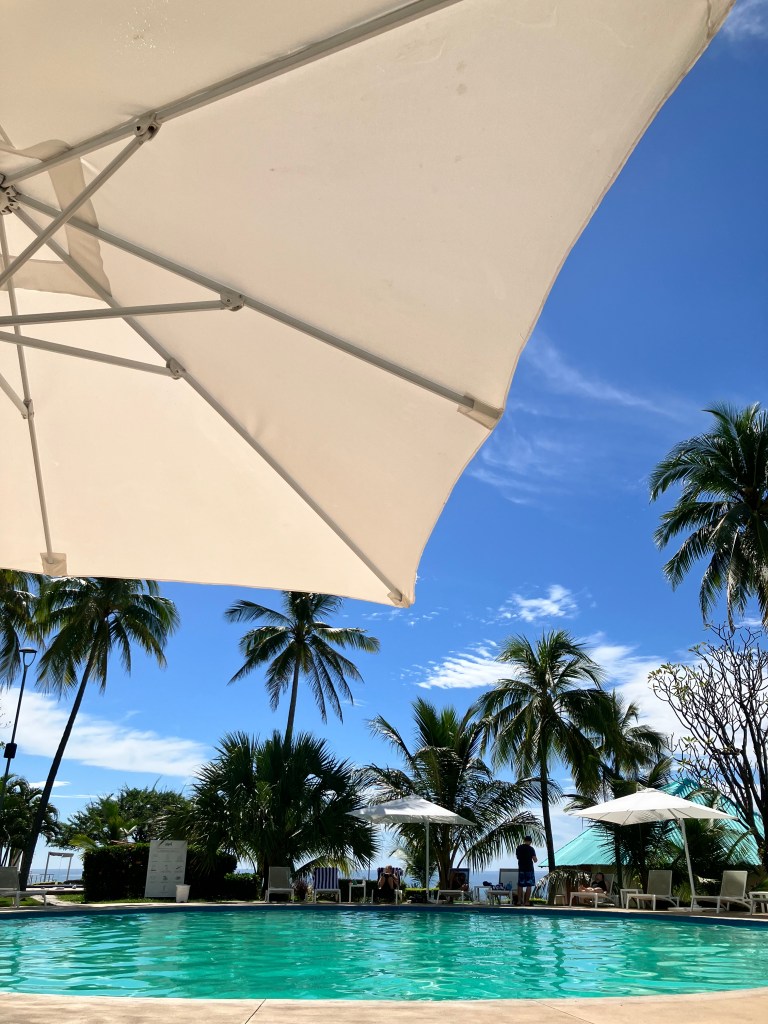
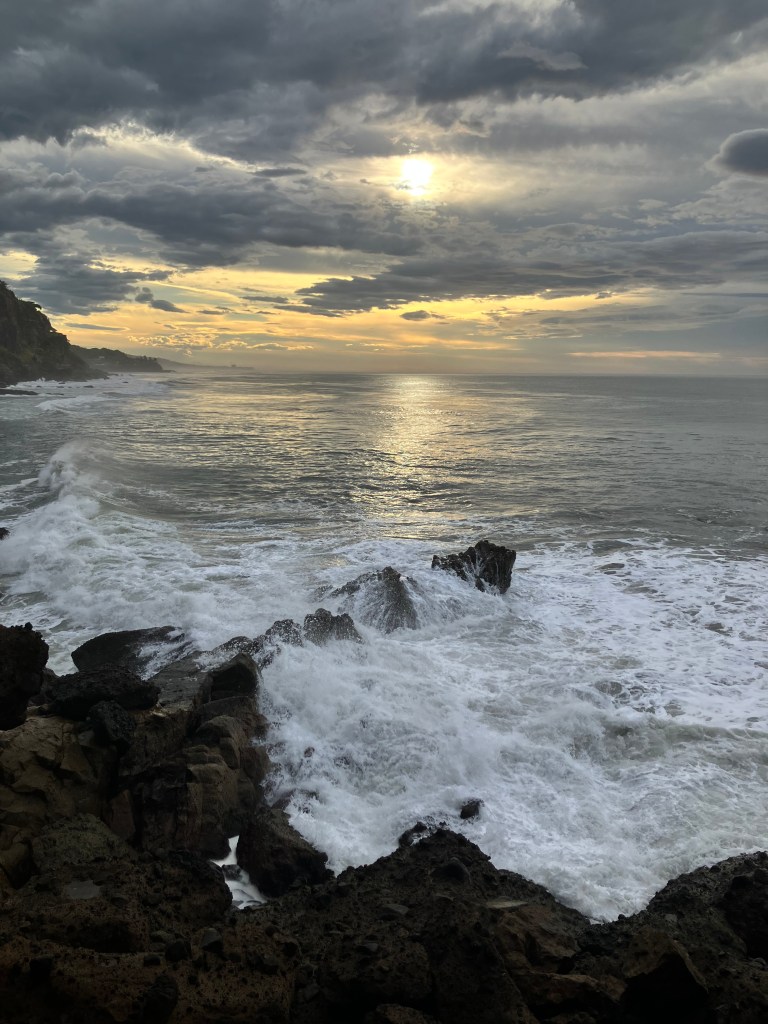
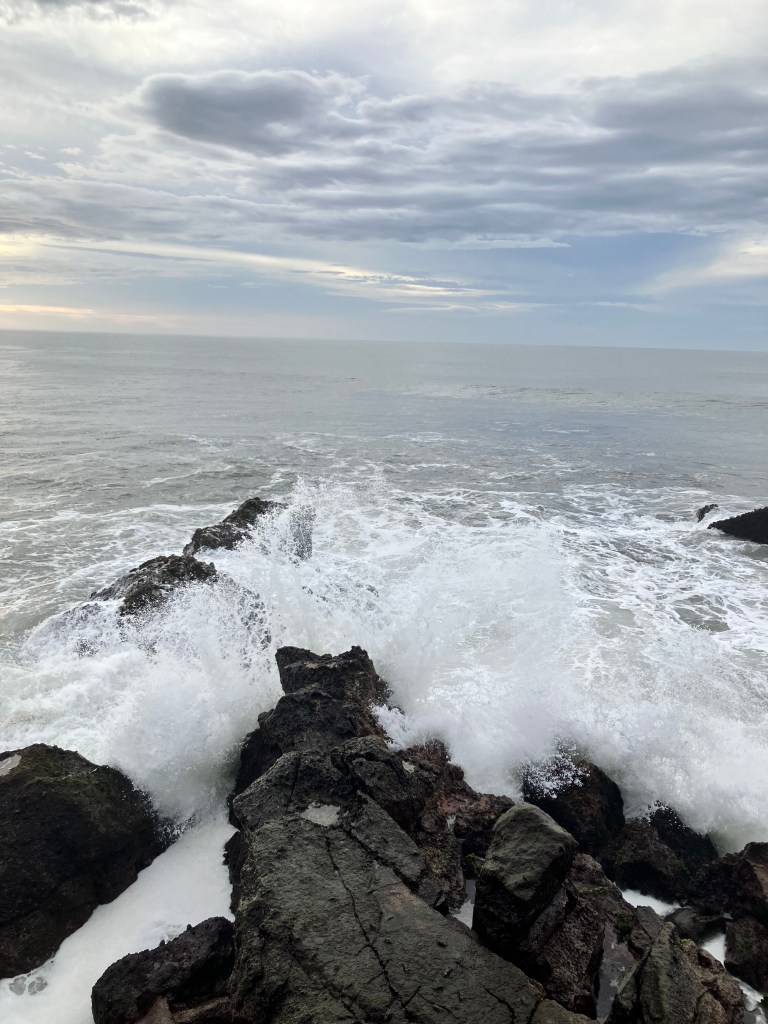
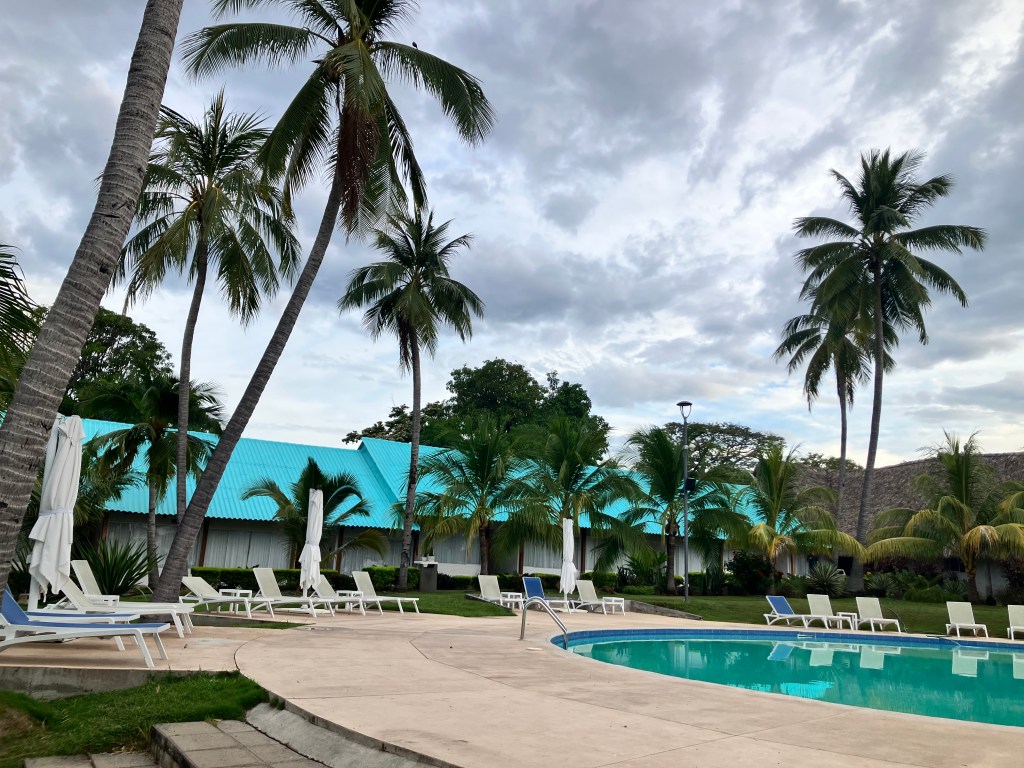
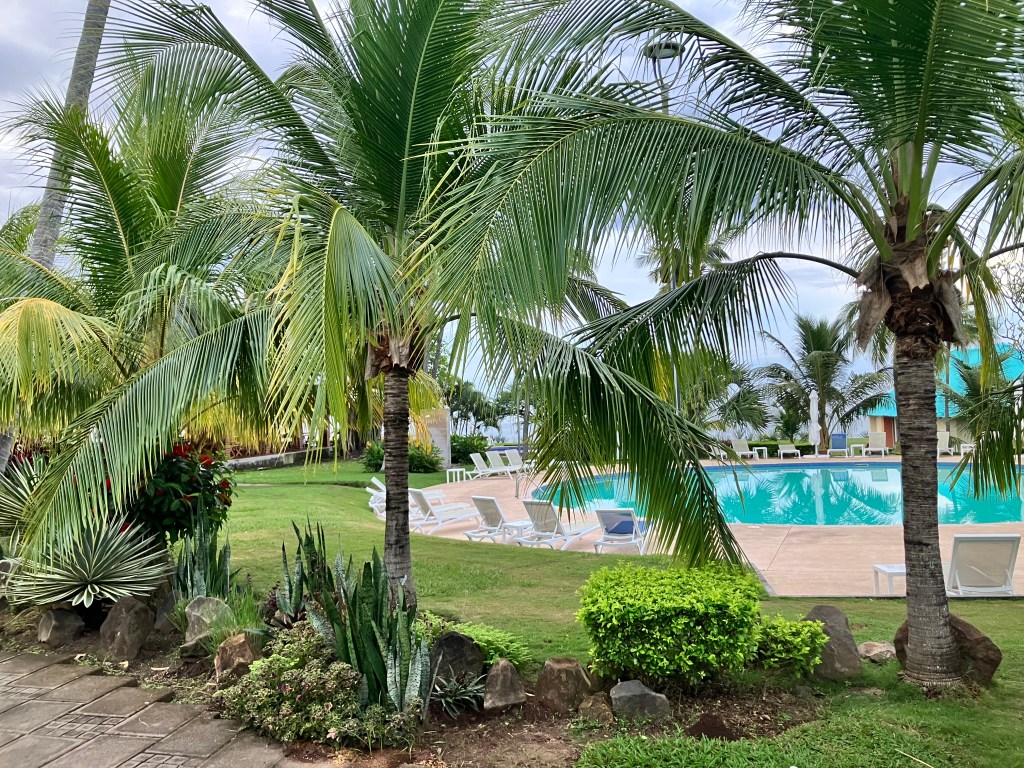
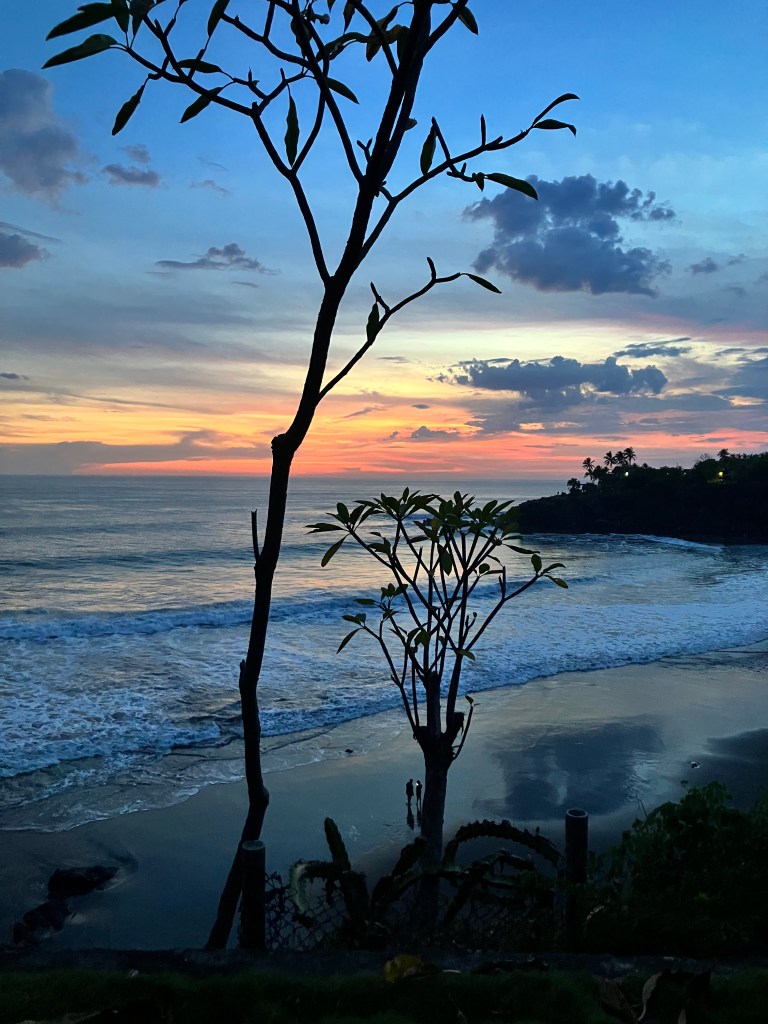
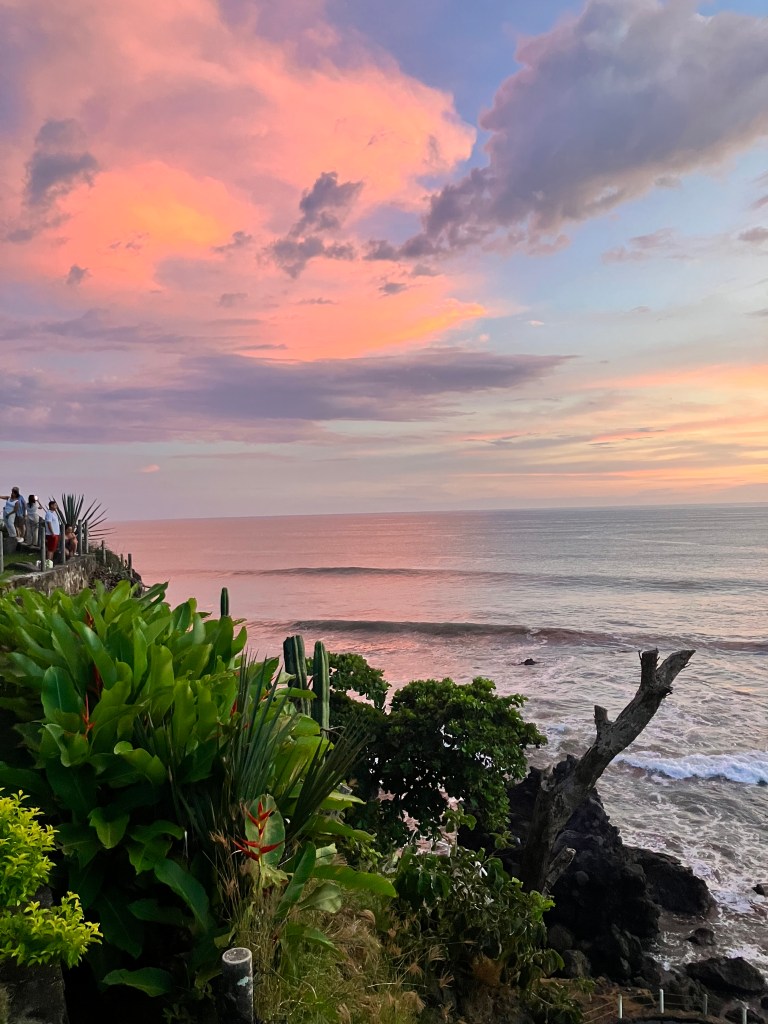
Just north of La Libertad is La Playa Club Atami. The modest hotels we once thought of as luxury were quickly reclassified for the rest of the trip. Porters bring our luggage and unlock our rooms for us like in a classic movie. A whole 5 gallons of water for every two people is ready for dispensing. The TV works. A swimming pool waits. A waiter with a tray comes by. A bartender offers cool tropical drinks behind the bar in the tiki hut. The breeze comes off the wild Pacific Ocean. Hammocks sway under thatched gazebos. Lounge chairs invite you to recline for a sunset viewing. Dinner is a short walk along the sandy coast to an oceanside restaurant. And afterwards, if the mosquitos don’t get you, the starry sky sure will.
The next day starts any time you want it to. An all you can eat breakfast buffet stays open late and makes sure you’re living, at least till check out, in the lap of luxury. Endless coffee, freshly squeezed papaya or watermelon juice. Eggs, potatoes, plantains, beans, rice, pico de gallo, a stir fry vegetable medley, sausage, chicken, pork, and anything to fill a tortilla; pancakes, syrup, breads and pastries, and of course fresh fruit. After that, we each gravitate to our own nook and version of relaxation somewhere within the compound. The next morning we leave by 5 am for Nicaragua.

 Write Down the Road